Expert insights, practical tips, and child development guides — written by our specialists to help you support your child with confidence.

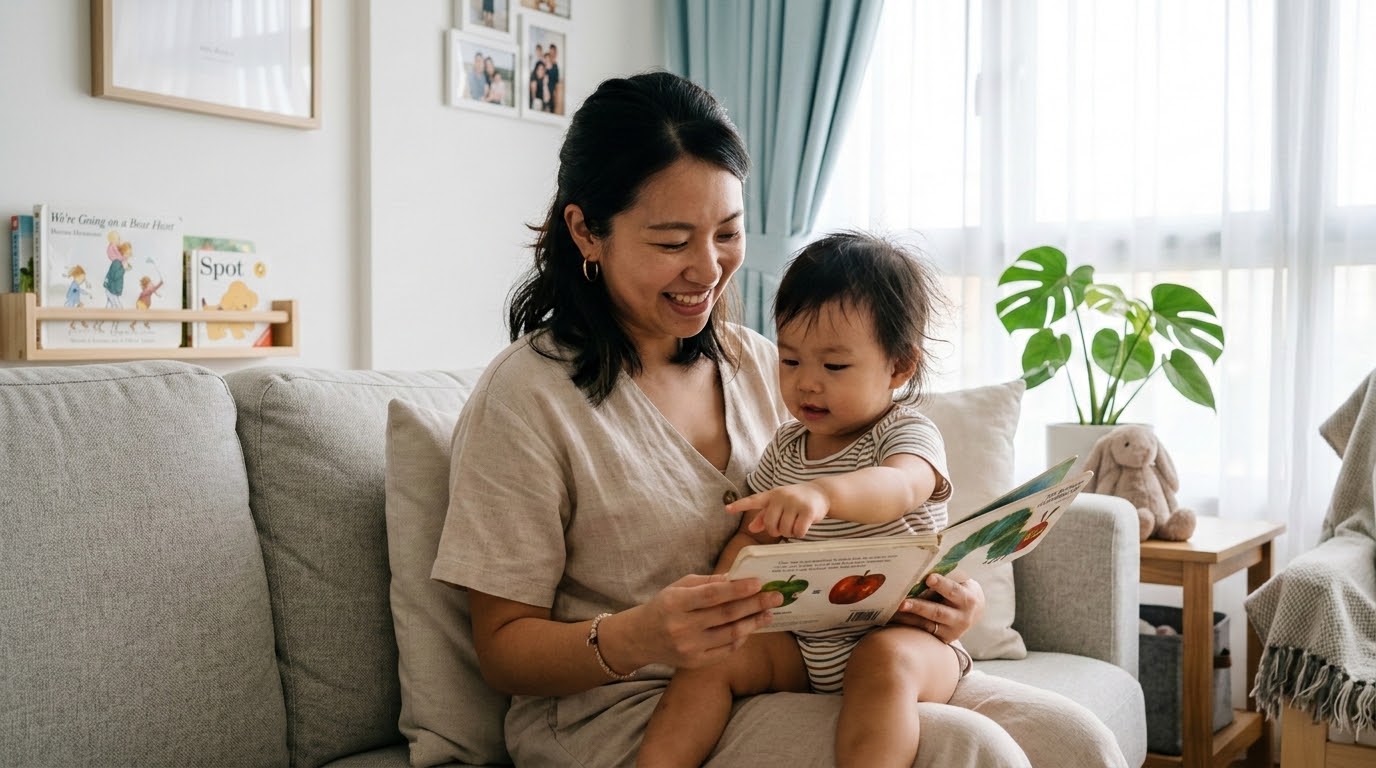
Simple, research-backed literacy activities using books, photos, and everyday objects — plus what actually makes shared reading and language play effective for toddlers.

Why parenting can feel unfinished even on ordinary days — and what the invisible mental load of caregiving means for parents of children ages 0 to 5.

Sleep is connected to more than rest — newer research links sleep quality in toddlers and preschoolers to emotional self-regulation, patience, and mood.

For Father's Day, a look at how everyday caregiving, play, and emotional availability help fathers build connection and support development in children ages 0 to 5.

Play is not a break from learning — it is how young children explore the world. On International Day of Play, a look at why open-ended play matters for children ages 0 to 5.

Shared parenting is about more than dividing tasks. For Global Day of Parents, a look at the invisible mental load of raising young children and how both parents can carry it together.

Milestones are reference points, not fixed expectations. What to understand when your child's development looks different — and how to respond with confidence.

Why transitions are hard for children ages 0 to 5, what drop-off distress really means, and how routines, reassurance, and steady support can help young children move through change.

How family support, responsive caregiving, and everyday relationships shape early childhood development. Why child development is never carried by one person alone.
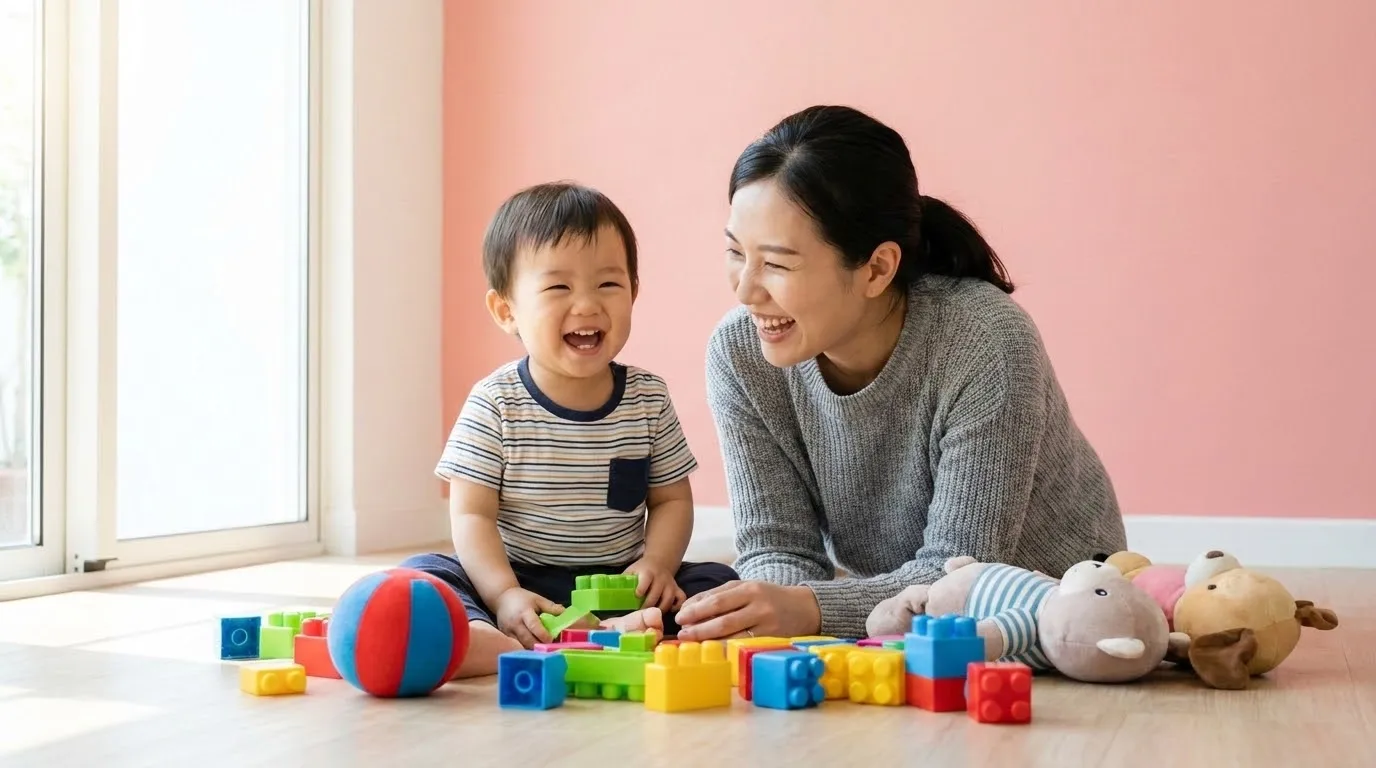
On Mother's Day, we explore the emotional labour of caregiving — and how a mother's presence shapes a child's sense of safety, identity, and belonging.

Milestones are meant to provide clarity. Yet for many parents, they create uncertainty instead. Here's what you actually need to know.
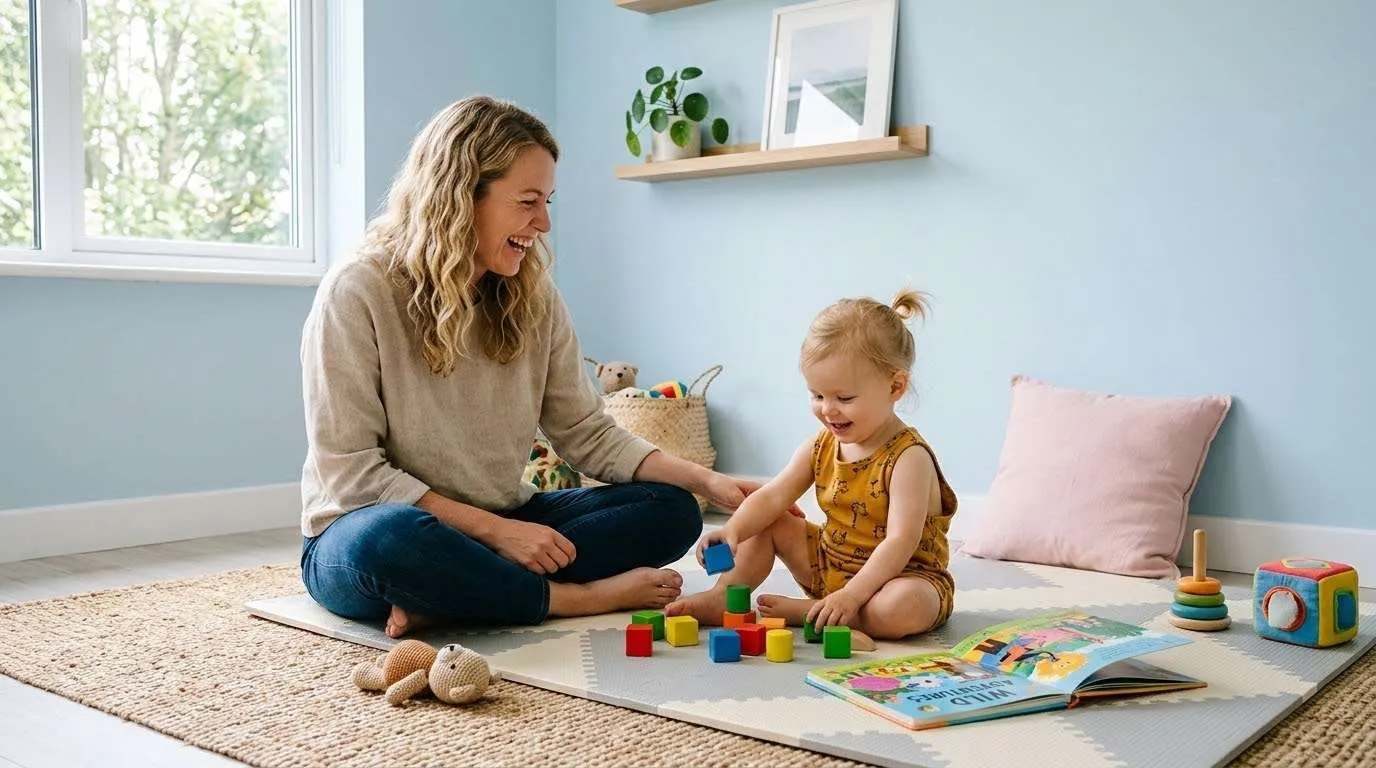
Repetition isn't boring — for toddlers, it's how the brain builds. Discover why predictable routines are one of the most powerful tools in early childhood development.

Behind all the spilled snacks and missed nap times, something remarkable is happening inside your child's brain — here's what the science says.

Most parents focus on how much screen time their child gets. But the research says the real question is something else entirely — and the answer changes everything.

Health in early childhood is more than food and sleep. Discover how everyday moments — and your own wellbeing — shape how your child grows.

On World Autism Awareness Day, learn what early signs to look for and how early support can make all the difference for your child.

Research strongly confirms that your circle of social support is your strongest asset in early intervention — helping mitigate stress and enhance overall family well-being.

Video-based training and telehealth are changing everything. Parents can now receive expert guidance and effective intervention strategies from the comfort of their home.

AI is no longer just a tech trend — it's becoming a powerful tool in early childhood development, helping parents create personalized learning experiences that adapt to each child.

AI safety at Tiggie Kids goes beyond protecting data. We safeguard your entire experience — every interaction is built on a foundation of trust.

Get instant access to milestone tracking, personalized activities, therapist consultations, and expert guidance — right from your pocket.


